


Local Citrus Flavor
by Maria Reidelbach
 It's the depths of winter! I'll bet you didn't need me to
tell you that. One of the juiciest antidotes to the
It's the depths of winter! I'll bet you didn't need me to
tell you that. One of the juiciest antidotes to the
Well, it's too damn cold here to grow citrus trees outdoors,
but we absolutely can enjoy locally grown citrus-flavored plants, at least
during the warmer months. In fact, there are a bunch of herbs that mimic the
scents of citrus. How is this possible? And, supernerd bonus question: are
smells made of particles or waves?
It all starts on a chemical level. The lovely aromas—and the
nasty ones—emanating from plants and fungus are mostly generated by their
volatile oils, oils that are so light that the molecules easily break free by
evaporation and ride the air currents right up into our noses. Citrus fruit
contains a wide variety of volatile oils—ten major and countless minor types.
Unique combinations of these oils form the complex and distinct aromas of each
citrus fruit.
The aptly named limonene contributes the classic
citrus base scent; it's found in virtually all citrus fruit. Second most
popular is pinene, surprisingly, a piny scent, found in oranges,
tangerines, lemons and limes—but not grapefruit. There's terpinene,
contributing an herbacious, green quality in tangerines and lemons; flowery linalool
in oranges, tangerines and grapefruit; and lemony citral in lemons,
naturally, also grapefruit, tangerines and oranges. Other oils in lesser
quantities add musky, thyme-like and spicy aromas. It's fun to do a tasting and
try to discern each one.
Robust amounts of the very same volatile oils in citrus are
also found in locally happy plants. It's fun and yummy to use these in cooking,
and just a dozen leaves contain major amounts of the phytonutrients and
antioxidants that we are finding out are essential for good health. Edible
herbs are nature's tonic! Some of these flavorful greens even have medicinal
properties.
Lemon is the scent found most. Lemon balm, from the mint
family, is a garden escapee gone wild (it happens in the best families). Lemon
basil and lemon thyme provide nice alternatives to the common varieties.
Furry-leafed lemon geranium grows beautifully in pots and is a great
houseplant, too. Lemongrass is one of very few herbal grasses. It grows into a
big poof; both the leaves and the pulpy base can be used. My favorite is lemon
verbena—to me it smells like lemon custard. And lemon catnip is a delicious
treat you can share with your favorite kitty.
Other citrus flavors are rarer. An incredibly heady
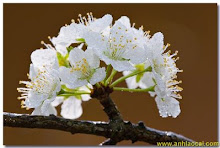
floral-limey scent can be found in the blossoms of the linden tree (aka lime
tree or tilia)—I am crazy about this smell; you just want to dive into it. And
honeybees love lindens, too.
If you love orange, check out bergamot, a mint family herb
with a beautiful red flower. The name bergamot comes from the type of orange
used to flavor Earl Grey tea. During the American Revolution it was called
Oswego tea and used as a replacement after English tea got dumped in Boston
Harbor. This fragrant beauty is also called scarlet bee balm, and there are
wild and cultivated varieties.
These herbs are so much fun to cook with! You can make hot
or iced tea simply by soaking some leaves in water, a few minutes for hot,
several hours for cold. Soak bruised leaves in sugar syrup or neutral spirits
like vodka and you've got an exotic cocktail ingredient. You can create a
delicious pesto with the tender herbs, either mixed with others or solo. Just
whirr the leaves in your blender with some olive oil, garlic, and maybe a
little water if it's too thick. Add toasted nuts if you like, and salt and
pepper. Keep tasting! You can serve the pesto on pasta, but also swirl it into
soup, mix with rice, or use as a sauce with vegetables and meat. The lemony
pestos are great with fish, especially lemon catnip. Sub any of them for other
herbs in recipes (perhaps with the exception of lemon geranium—the leaves are a
bit strong). Plus, use the pretty flowers that some of these plants sport as an
on-theme garnish.
How many more days 'til spring?
Resources:
Hudson Valley Seed Library (SeedLibrary.org): our own local
seed company—all their seeds thrive in our area.
Richters Herbs (Richters.com): large selection of lemon,
orange and lime herbs, plus books and materials in this Canadian company's
catalog.
Maria Reidelbach is an
author and applied artist who lives, works and eats in Accord, NY.
Photo caption: A grotesque Buddha's hand citron infusing in
vodka.


 Posted by Chris Hewitt
on 11:29 AM.
Filed under
Posted by Chris Hewitt
on 11:29 AM.
Filed under
